
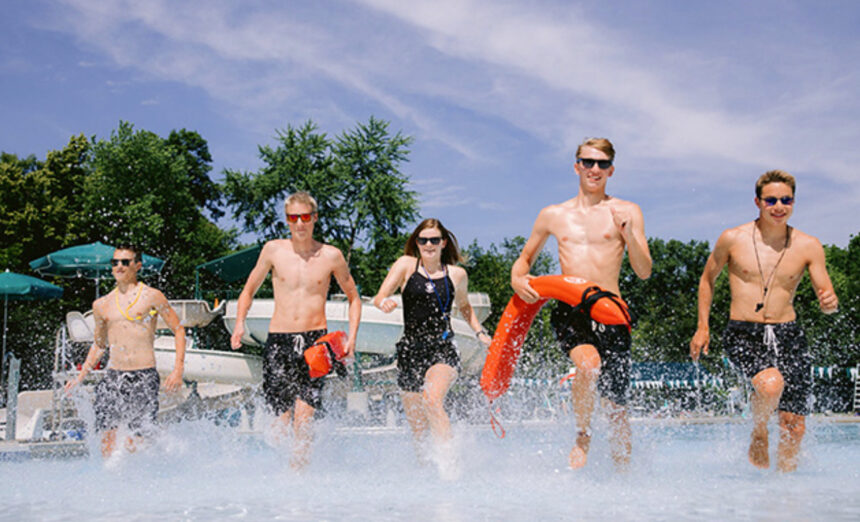
Lifeguards are essential in any aquatic environment, whether it’s a swimming pool, beach, or waterpark. They are responsible for ensuring the safety of swimmers and preventing drowning incidents. In Nevada, where the hot and dry climate attracts many visitors to the state’s water attractions, the need for well-trained lifeguards is particularly high.
Let’s dive deeper into the lifeguard training process in Nevada and why it’s important to have certified and knowledgeable lifeguards on duty.
Lifeguard training Program in Nevada
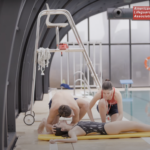
The lifeguard training program in Nevada typically consists of two components: classroom training and in-water training. The classroom training covers topics such as water safety, rescue techniques, first aid, and the proper use of equipment such as rescue tubes and backboards. In-water training involves practicing rescue techniques, performing swimming drills, and simulating water rescues.
The American Lifeguard Association (ALA) is a nationally recognized organization that offers lifeguard training and certification. Their training program covers all the necessary skills and knowledge that lifeguards need to perform their duties effectively. ALA’s training program is designed to ensure that lifeguards have a thorough understanding of the risks associated with aquatic environments and the appropriate responses to different emergency situations.
The training program typically takes between 20-30 hours to complete and involves a written exam and a practical skills test. The written exam covers topics such as water safety, CPR, and first aid, while the skills test evaluates the candidate’s ability to perform various rescue techniques and respond to emergency situations effectively.
The Importance of Well-Trained Lifeguards
The importance of having well-trained lifeguards on duty cannot be overstated. According to the CDC, drowning is the leading cause of death for children aged 1-4 and the second leading cause of accidental death for children aged 5-14. Drowning is also a significant concern for adults, particularly in recreational aquatic settings.
Well-trained lifeguards can prevent many drowning incidents by recognizing potential hazards and responding quickly and effectively to emergencies. They are responsible for enforcing rules and maintaining order in the swimming area, which can help prevent accidents from occurring in the first place.
In addition to preventing drownings, well-trained lifeguards can also provide first aid and other medical assistance in the event of an injury or illness. They can also assist with the maintenance and upkeep of equipment, ensuring that it is in good working condition and ready to be used in an emergency.
The Role of Lifeguards in Water Safety
Lifeguards play a critical role in ensuring water safety in aquatic environments. They are responsible for maintaining a safe and secure swimming area, enforcing rules, and responding to emergencies quickly and effectively.
One of the key responsibilities of lifeguards is to conduct regular surveillance of the swimming area to identify potential hazards and unsafe behavior. They must also enforce rules such as no running, no diving in shallow water, and no roughhousing, to prevent accidents from occurring.
In the event of an emergency, lifeguards must be able to respond quickly and effectively to ensure the safety of all individuals in the swimming area. This may involve performing a water rescue, providing first aid or CPR, or calling for emergency medical services.
Ongoing Training and Certification
Once a lifeguard is certified, they must participate in ongoing training or lifeguard recertification to maintain their certification. This ensures that lifeguards stay up to date with the latest safety protocols and techniques, as well as the latest equipment and technology. Ongoing training may include refresher courses, skill evaluations, and continuing education.
Maintaining certification is also essential for lifeguards who want to advance their careers. Advanced certifications, such as pool operator, waterfront lifeguard, and swim coach, can open up new opportunities for lifeguards to expand their skill set and pursue their interests in the field of aquatics.
Advanced Lifeguard certifications
Advanced certifications may require additional training and experience beyond the basic lifeguard certification, but they can provide additional benefits and opportunities. For example, a pool operator certification may allow a lifeguard to work as a pool manager, while a waterfront lifeguard certification may enable a lifeguard to work at a lake or beach.
In addition to advanced certifications, lifeguards can also pursue continuing education in related fields such as emergency medical services, physical therapy, and sports medicine. These areas of study can enhance a lifeguard’s knowledge and skills, allowing them to provide more comprehensive care in the event of an emergency.
Equipment and Technology Used in Lifeguard training
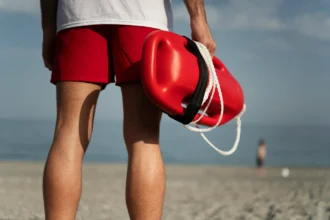
Lifeguard training programs also teach candidates about the equipment and technology used in aquatic environments. This includes rescue tubes, backboards, AEDs, and other essential equipment. Candidates learn how to properly use and maintain this equipment to ensure that it is ready for use in an emergency.
In addition to traditional equipment, new technologies are also emerging that can help improve water safety. For example, some waterparks and swimming pools are implementing underwater motion detection systems that can detect when someone is struggling in the water and alert lifeguards to the situation. Lifeguards are also using drones equipped with cameras to monitor swimming areas from above, providing a better view of the entire area and potentially identifying hazards that may not be visible from the ground.
The Role of Lifeguards in Community Outreach
In addition to their duties in aquatic environments, lifeguards also have a role in community outreach. They can provide education and information about water safety to community members, particularly children and young adults who may be at a higher risk of drowning. Lifeguards can visit schools, community centers, and other public areas to provide demonstrations and hands-on training for water safety skills such as CPR and first aid.
Lifeguards can also participate in community events such as swim meets, triathlons, and other aquatic competitions to promote water safety and encourage participation in safe and healthy activities. By being visible and engaged in the community, lifeguards can help build trust and rapport with community members and encourage safe and responsible behavior in and around water.
Conclusion
Lifeguard training is critical for ensuring water safety in Nevada’s aquatic environments. The American Lifeguard Association provides a nationally recognized certification program that covers all the necessary skills and knowledge for lifeguards to perform their duties effectively.
Well-trained lifeguards play a critical role in preventing drownings, providing first aid, and maintaining order in the swimming area. Ongoing training and certification are essential for lifeguards to maintain their skills and advance their careers in the field of aquatics.
It is important to note that the American Lifeguard Association is a reputable and recognized organization that provides comprehensive training for lifeguards. It is important for individuals and employers to consider all options when selecting a lifeguard training program to ensure that they receive the best possible training and lifeguard certification.