Rescue readiness involves more than remembering the name of a technique. Lifeguards need opportunities to practise their skills, understand their working environment, and communicate with the people around them. Reading about a rescue can introduce a topic, but practical preparation belongs in a supervised training setting.
Learn in the right setting
Ask your instructor how the course addresses the environment in which you hope to work. Pool layouts, waterfront conditions, visibility, and available equipment can differ. Training questions should focus on the skills you will be assessed on and how to practise them safely with qualified supervision. Avoid attempting unfamiliar rescue techniques alone or treating a short video as a substitute for instruction.
Know your facility and your team
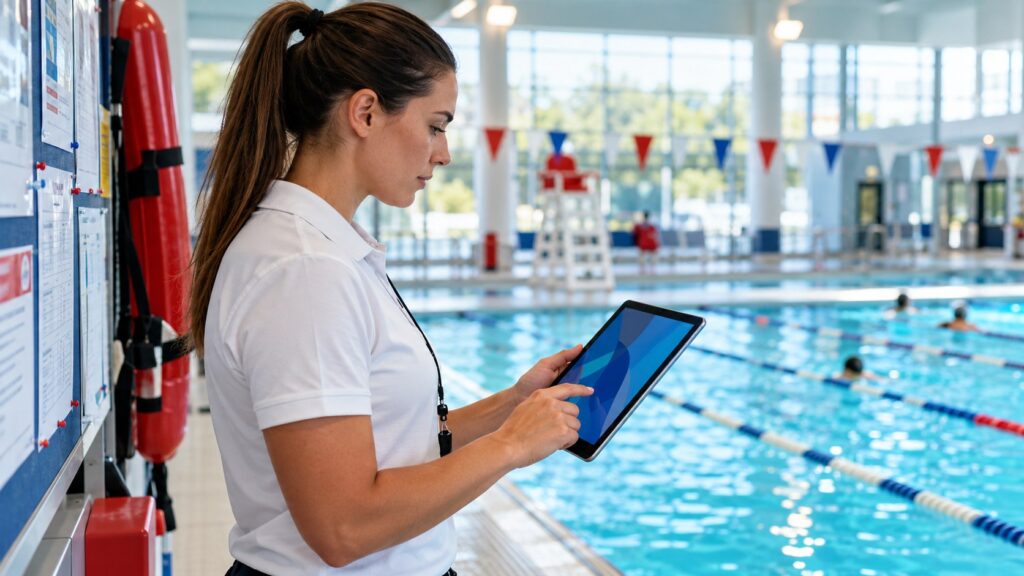
Before taking responsibility for an assigned area, become familiar with the facility’s emergency action plan. Ask about your role, the communication system, the location of equipment, and how the team conducts practice sessions. Discuss anything you do not understand with the supervisor responsible for your orientation.
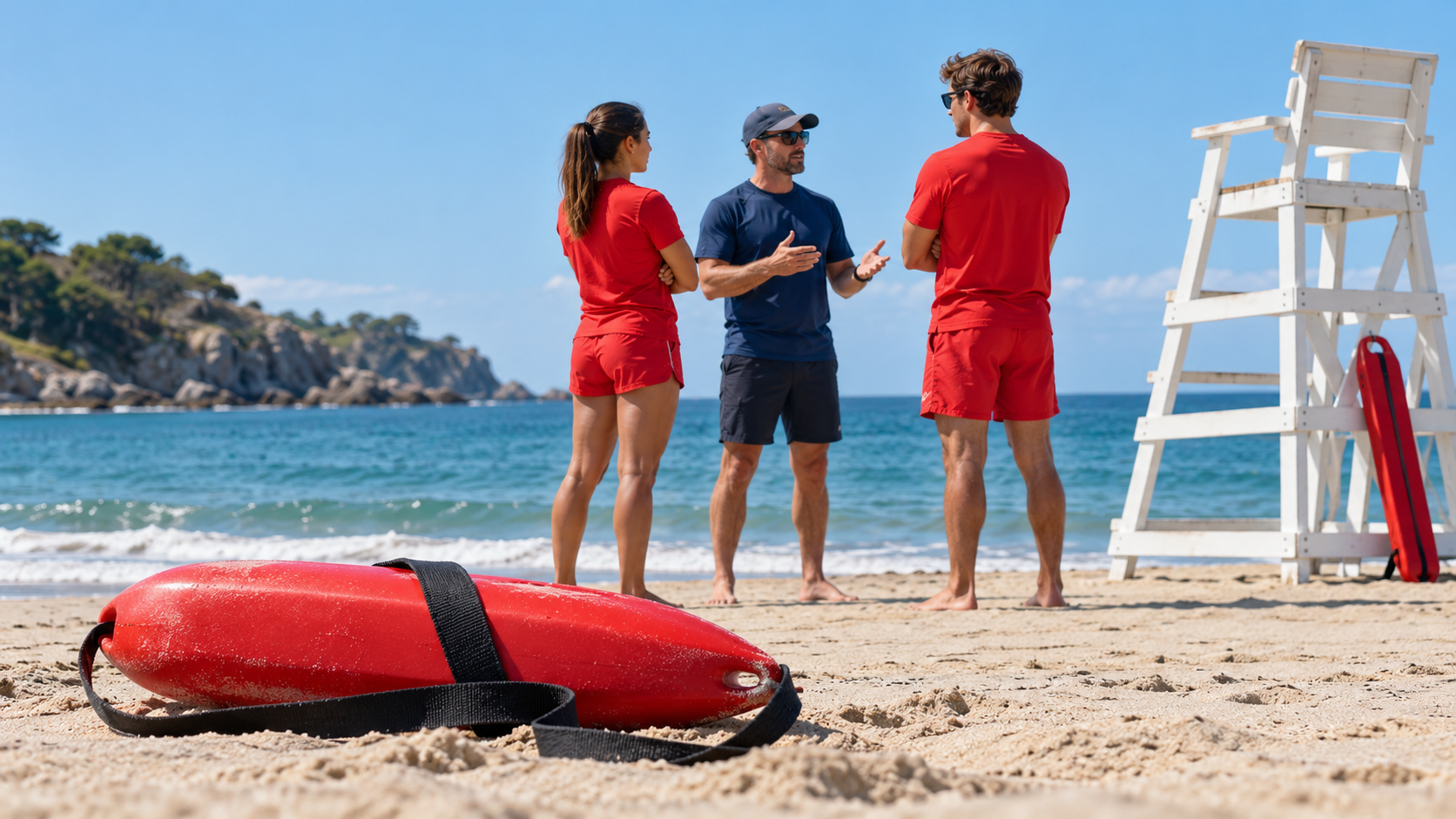
Practice also creates space for feedback. A team can review communication, identify uncertainty, and discuss what needs more attention before an actual emergency occurs. Keep a record of training and ask your employer how ongoing skill checks are organised.
Find training information
Explore the American Lifeguard Association’s on-site training information or visit AmericanLifeguard.com to discuss available programs. This article introduces preparation topics; rescue skills must be learned and assessed through appropriate practical instruction.