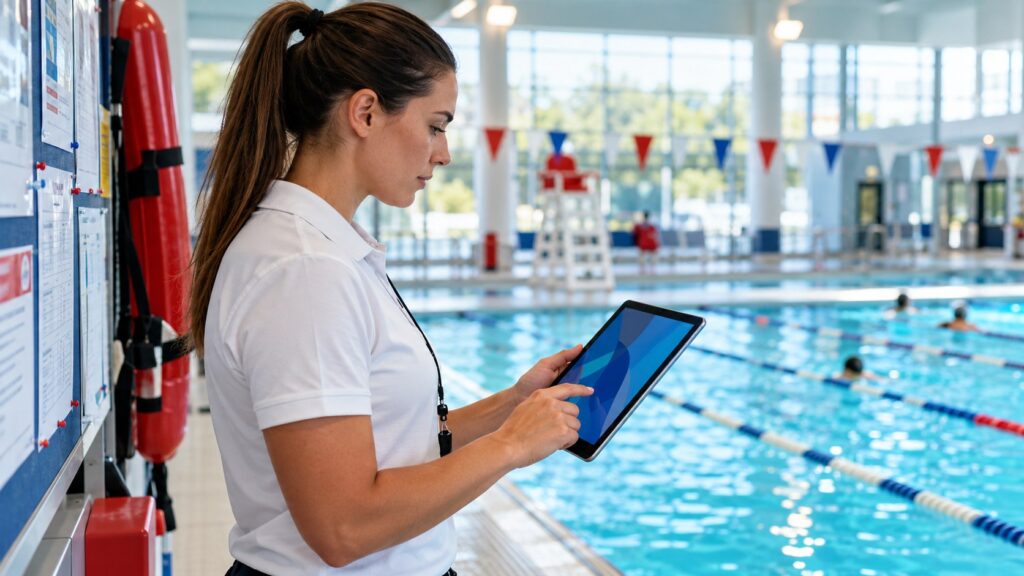
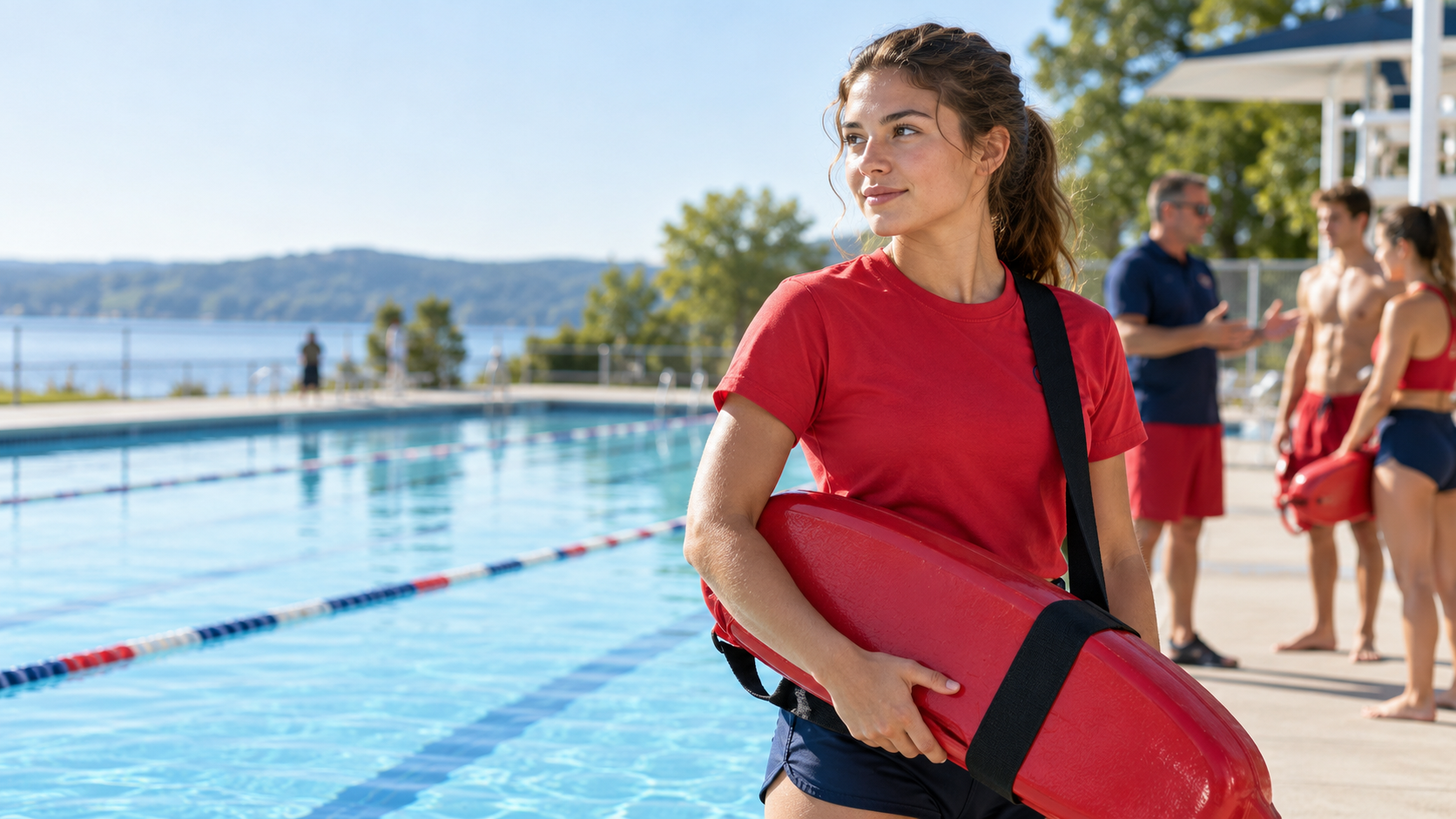
Choosing your first lifeguard course starts with understanding where you want to work. A community pool, waterpark, and waterfront can have different operating conditions. Before enrolling, ask your prospective employer which training and certification they accept for the position you are considering.
Confirm the details before booking
Contact the training provider about entry requirements, swimming assessments, course format, and practical evaluations. Check what is included in the fee and how you will receive your course information. If you are comparing online, blended, or on-site options, ask how hands-on skills are taught and assessed rather than assuming every format is interchangeable.
Prepare for the learning experience
Read the instructions your provider sends you. Confirm the location, schedule, equipment requirements, and any items you need to bring. Plan time for swimming practice within your ability, rest, and travel. Tell the provider about accessibility needs or questions early so you can discuss suitable arrangements before the course begins.
Training is an opportunity to ask questions and develop skills under supervision. Be ready to participate, receive feedback, and practise the communication expected of an aquatic team. Completing a course should be followed by orientation to the specific facility where you will work.
Explore your next step
The American Lifeguard Association offers information about lifeguard training and related programs. Visit AmericanLifeguard.com and AmericanLifeguardAssociation.com to explore options, then confirm current course details directly before registering.